

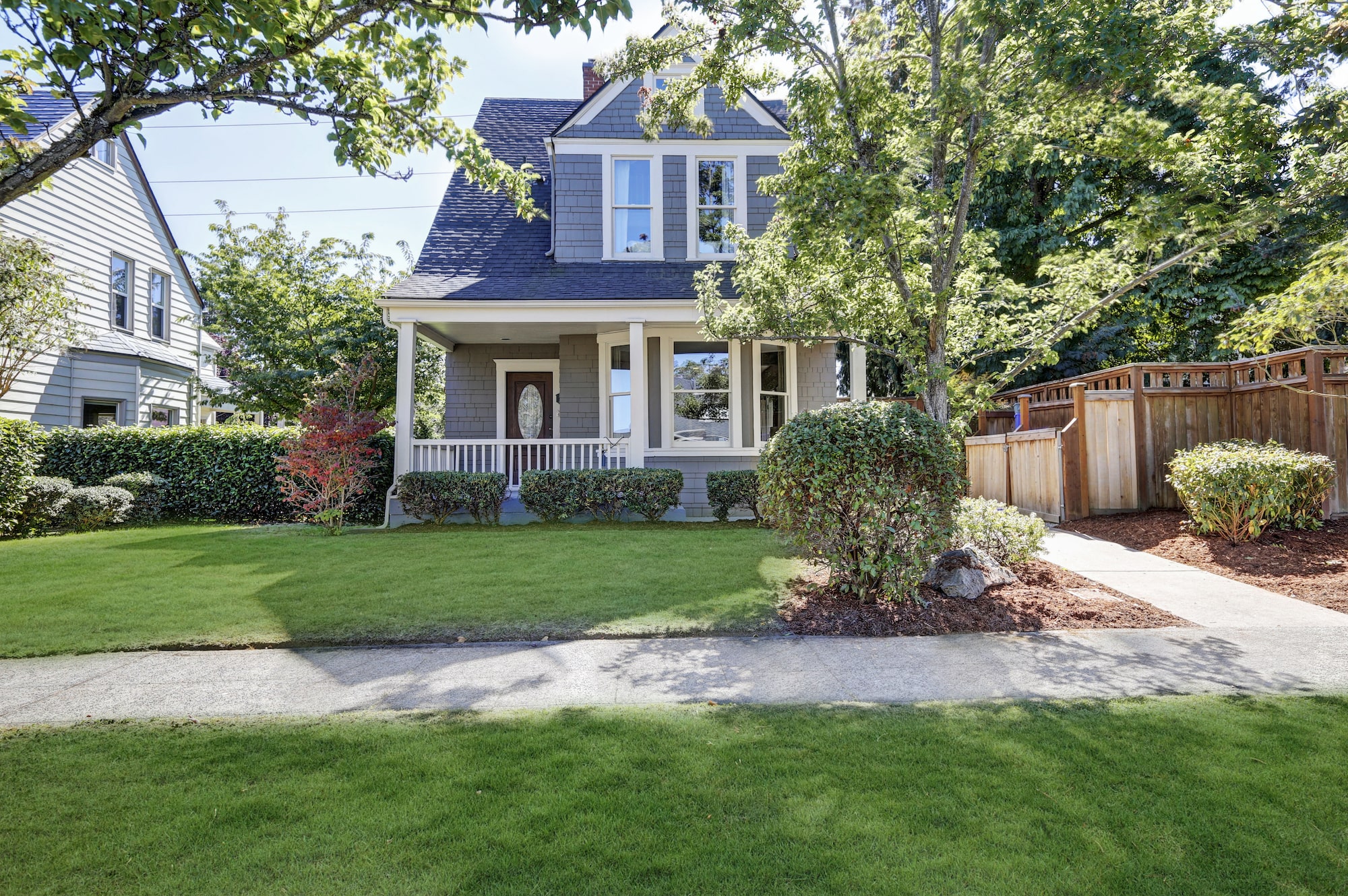

Thinking About Renting Out Your Home in Wilmington, NC or Nearby Coastal Areas?
Whether you're relocating, purchasing another property, or looking to generate passive income, turning your home into a rental property can be a smart investment. However, successful rental ownership involves much more than collecting rent each month.
Before becoming a landlord, it's important to understand how to determine the right rental price, prepare your property, screen tenants, and protect your investment for long-term success.
If you're renting out your home in Wilmington, Leland, Hampstead, Carolina Beach, Wrightsville Beach, or anywhere in Brunswick or New Hanover County, these five essential landlord questions can help you avoid costly mistakes and maximize your rental property's earning potential.
In This Guide
- How Much Should You Charge for Rent?
- Is Your Home Ready to Rent?
- How Do You Find a Qualified Tenant?
- What Are a Landlord's Responsibilities?
- How Can You Protect Your Rental Property Investment?
1. How Much Should You Charge for Rent?
One of the first questions homeowners ask when considering a rental property is:
"How much can I rent my house for in Wilmington, NC?"
The answer depends on several factors, including:
- Property location
- Square footage
- Number of bedrooms and bathrooms
- Property condition
- Recent upgrades and renovations
- Neighborhood amenities
- Current rental market conditions
- Local rental demand
Many homeowners make the mistake of basing rent solely on their mortgage payment or desired monthly income. However, the rental market ultimately determines what tenants are willing to pay.
Pricing your home too high can result in longer vacancy periods, extended marketing time, and fewer qualified applicants. Pricing it too low may reduce your overall return on investment.
Local Factors That Influence Rental Rates
Several local factors can impact rental value:
- Proximity to beaches
- Nearby healthcare and employment centers
- School districts
- Community amenities
- Nearby shopping and dining
A professional rental analysis provides an accurate rental valuation by comparing your property to similar rental homes currently leased or available in the local market.
2. Is Your Home Ready to Rent?
Before listing your property, take an objective look at its overall condition.
A clean, well-maintained home attracts more qualified renters, leases faster, and reduces maintenance issues after move-in.
Rental Property Preparation Checklist
Before marketing your home, consider:
- Inspecting HVAC systems
- Checking plumbing fixtures and water heaters
- Testing electrical systems and outlets
- Servicing appliances
- Inspecting doors, locks, and windows
- Verifying smoke and carbon monoxide detectors
- Completing needed repairs
- Refreshing paint and flooring if necessary
- Improving curb appeal and landscaping
- Documenting the property's condition with photos and videos
When prospective tenants view a rental home, they immediately notice cleanliness and condition. Small issues can create the impression that the property has not been properly maintained.
Why Preventive Maintenance Matters in Coastal North Carolina
Property owners in Wilmington and surrounding coastal communities face unique challenges.
Humidity, salt air, heavy rainfall, hurricanes, and seasonal weather patterns can accelerate wear and tear on a property.
Proactive maintenance can help prevent:
- HVAC breakdowns
- Moisture damage
- Roof leaks
- Mold issues
- Exterior deterioration
Investing in maintenance before tenants move in can help protect your rental property and reduce costly emergency repairs later.
3. How Do You Find a Qualified Tenant?
Finding a tenant quickly is important. Finding the right tenant is even more important.
The quality of your tenant can significantly impact your property's performance, maintenance costs, and overall rental experience.
Effective Tenant Screening Is Key to Reducing Risk
A thorough tenant screening process may include:
- Employment verification
- Income verification
- Rental history review
- Reference checks
- Credit review
- Background screening
- Verification of occupancy requirements
New landlords often make the mistake of approving applicants too quickly, driven by a desire to fill a vacancy.
While an empty property can be stressful, rushing the screening process can lead to:
- Late payments
- Property damage
- Lease violations
- Increased turnover costs
- Possible eviction proceedings
Fair Housing Compliance Matters
All tenant screening procedures must be applied consistently and in accordance with federal, state, and local fair housing laws.
Maintaining a documented screening process helps landlords make objective decisions while reducing legal risk.
4. What Are a Landlord's Responsibilities?
Many first-time investors assume being a landlord simply means collecting rent each month.
In reality, rental property management requires ongoing attention and consistent communication.
Common Landlord Responsibilities Include
- Responding to maintenance requests
- Coordinating emergency repairs
- Collecting rent payments
- Managing lease renewals
- Handling tenant concerns
- Conducting routine inspections
- Maintaining financial records
- Enforcing lease terms
- Coordinating vendors and contractors
- Monitoring property condition
- Staying informed about landlord-tenant regulations
Managing a rental property requires consistent attention to tenant needs, maintenance, and property performance. Professional property management can help reduce stress, streamline operations, and allow you to focus on other priorities while protecting your investment.
5. How Can You Protect Your Rental Property Investment?
Your rental property a long-term financial asset.
Protecting it requires a clear strategy that includes legal, operational, and financial planning.
Create a Strong Foundation
Successful landlords typically:
- Use comprehensive lease agreements
- Maintain appropriate insurance coverage
- Document property condition
- Keep detailed financial records
- Follow consistent tenant screening practices
- Budget for maintenance and capital improvements
- Monitor market conditions regularly
Maintaining reserve funds can help protect your investment from unexpected expenses.
Reviewing your rental value before lease renewals allows you to:
- Stay competitive
- Maximize rental income
- Reduce vacancy
- Retain quality tenants
- Make data-driven investment decisions
One of the best ways to protect your investment is by staying proactive rather than reactive.
Ready to Rent Out Your Home?
Before you list your property, get the insights you need to maximize rental income and attract qualified tenants.
From rental pricing and tenant screening to maintenance and property management, SPM Residential Services helps property owners protect their investment, reduce vacancy, and maximize their rental income.
At SPM Residential Services, we help Wilmington-area homeowners simplify rental ownership with expert property management and local market expertise.
Schedule a Consultation with an Expert Property Manager & Get Your Free Rental Analysis
Your property is an investment. Make sure it's working for you.